
The Righteous label’s Sizing Guide Broken Down: Steering Clear of Frequent Fit Mistakes
Because you can’t try garments on first, nothing triggers more returns than this in fashion retail. Righteous clothing has built a following on bold graphics and street-inspired cuts, but even the most eye-catching design comes up short if the fit is wrong. Getting familiar with how Righteous garments are cut, where they run loose, and where they run tight-fitting, will cut down on time, money, and the hassle of a return shipment. The following breakdown unpacks the nuts and bolts of sizing so your next order arrives set to wear right away, not bound for the return box.
Dependable sizing is part of why We Are Righteous has turned into such a familiar presence in street fashion circles. Customers who understand the label’s fit approach tend to report less dissatisfaction with fit than those who guess based on a single other brand’s chart. Because fit standards vary so much brand to brand, treating every purchase as its own decision, rather than assuming a fixed sizing baseline, is the most sensible approach.
The Root Causes of Frequent Fit Errors
The majority of sizing complaints come down to one thing: shoppers transfer their size from a different manufacturer entirely to a new one without double-checking the actual measurements. A medium in one label can swing by two or three inches in chest width from a medium at a different company. This difference is enough to transform a relaxed streetwear fit into either a shapeless oversized fit or an restrictive fit across the shoulders.
Yet another typical slip-up is ignoring the difference between body measurements and garment measurements. Body measurements describe you; garment measurements describe the clothing itself, including purposeful ease https://righteoushoodie.org/t-shirts/ added in for style. A hoodie built for an oversized, dropped-shoulder look will always measure wider than your genuine chest size, and that is by design, not a mistake in the chart.
Fabric shrinking once washed is a third factor buyers don’t account for. Garments high in cotton content, including many Righteous hoodie styles, can give up a small percentage of their size in the first few washes if not looked after properly. Consulting the care label before the first wash and adhering to it closely reduces this risk by a wide margin. Mild, cold-water washing with a low dryer setting preserve fit far better than warm or hot laundering.
How to Measure Yourself Correctly
You’ll find three key figures that count above all before ordering any piece: bust, midsection, and length preference. Loop a soft tape measure around the widest area of your bust, making sure it stays straight and secure but not constricting. Do the same around your midsection, commonly slightly above your navel. Note your favored length by taking measurements of a hoodie or shirt you already have and are happy with, measured from shoulder seam to hem.
Jot these three numbers down before browsing the Righteous clothing brand’s product pages. Preparing them in advance steers you away from impulse sizing decisions based on assumptions or by what “feels right” based on memory alone. A tape measure is trustworthy, while memory is not.
Another useful step is to measure a garment you own already that fits the way you want a new piece to fit, laid flat, and compare that flat-lay figure to the product’s published measurements. This method of measuring flat is more reliable than relying on standard S/M/L labels, since size labels differ depending on cut and season, particularly since Righteous apparel revises its cuts each year.
Reading the Righteous Size Chart
A size chart generally displays measurements in inches or cm across a side-by-side row of sizes, with chest, waist, and sometimes hip and length figures underneath. The key is pairing your physical measurement to the correct row, not the nearest size label. When your measurement lands between two size options, sizing up is generally the better choice for street-inspired garments built for a relaxed silhouette, while opting for the smaller size suits anyone going for a closer, more fitted shape.
Take special note of the units of measure. Confusing centimeters for inches is a regular but needless error that leads to garments turning up multiple sizes wrong. Double-check the unit indicator at the top of the chart without fail, even if this isn’t your first Righteous order, since specs can be adjusted between collections.
What follows is a approximate comparison of how a easy streetwear silhouette generally varies from a close or standard fit across chest measurements, to highlight why fit style matters just as much as size letter.
| Size Name | Fitted Chest Measurement (inches) | Relaxed/Oversized Fit Chest (inches) | Recommended Body Chest Range (inches) |
|---|---|---|---|
| Small | 36-38 | 40-42 | 34-36 |
| Medium | 39-41 | 43-45 | 37-39 |
| Large | 42-44 | 46-48 | 40-42 |
| XL | 45-47 | 49-51 | 43-45 |
What you see above is a broad example of how silhouette shifts the numbers tied to the same size label, not a stand-in for the precise figures listed on each product page. Take a moment to check the specific chart associated with the item you want, since a Righteous hoodie and a snug-fit tee will not share identical proportions even in the same labeled size.
Comparing Fit Across Hoodies, Tees, and Bottoms
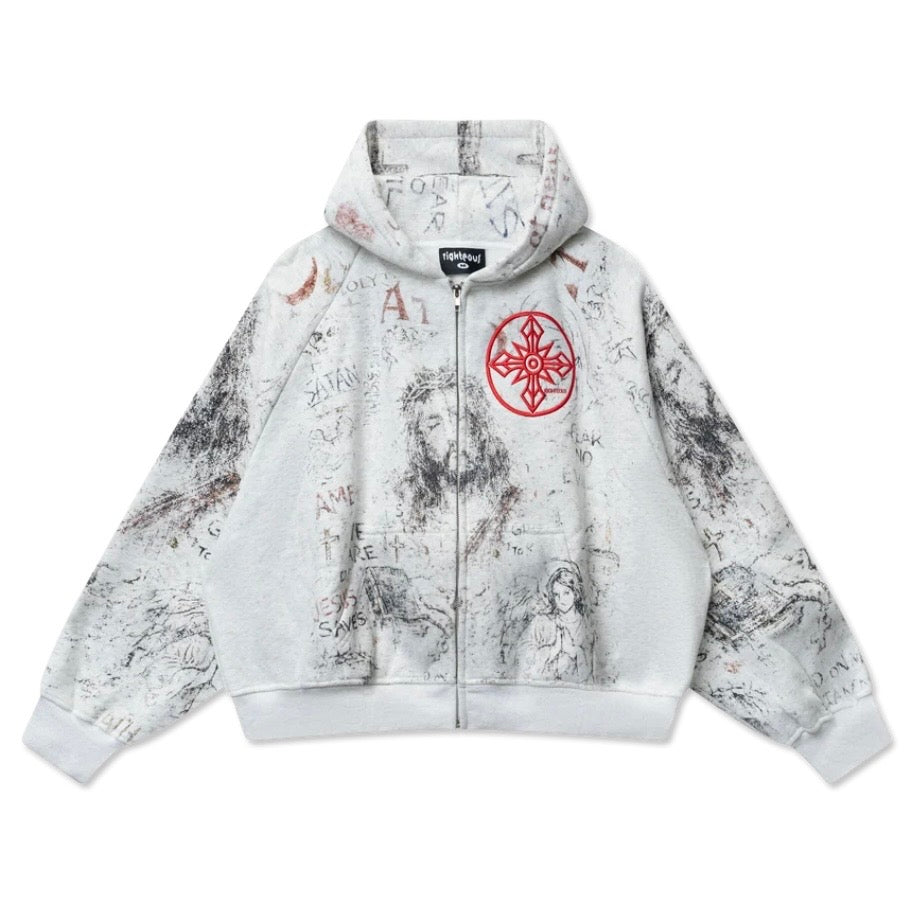
Given that the brand’s hoodies usually are shaped with extra room through the torso and arms for that signature streetwear drape, sticking with your usual tee size in a hoodie can result in a surprisingly oversized feel. If your taste runs toward a closer silhouette, checking the garment’s chest measurement against your own—as opposed to presuming your typical letter size—avoids disappointment.
Tee cuts fit on their own terms. As they feature less material overall, and are commonly worn beneath outerwear or layers, a tighter fit is more standard in tee sizing charts compared with hoodie charts. A person sized large in a Righteous hoodie could easily land in a medium for one of the brand’s tee styles, depending on the intended degree of oversized fit.
Lower-body styles bring in a third variable: waist versus hip measurement, plus leg length. The brand’s joggers and shorts, often display both waist and hip numbers, since a waist-correct fit might still feel tight or loose at the hip depending on your proportions. Comparing both numbers, not just the waist, heads off an unwelcome surprise.
What Righteous Feedback Tells You About Sizing
Customer feedback is one of the most useful tools available when a standard measurement table alone leaves unanswered your specific question. More often than not, a detailed Righteous review will flag whether a piece runs true, large, or small, giving you real-world context the chart alone can’t provide. Trends seen across several reviews are more reliable than a single reviewer’s take, since body types and personal fit preferences differ greatly.
While reading through a We Are Righteous review, watch for mentions of the reviewer’s regular size in other labels and how the Righteous garment compared. A reviewer who says “I’m usually a medium everywhere and this fit true” hands you a worthwhile data point, particularly when several other reviewers confirm the same conclusion.
It’s also helpful to note reviewer height and weight when reviewers share them, since these add perspective that a plain measurement chart isn’t able to. Reviews often capture subtleties a static chart misses, such as two people sharing a chest measurement but preferring different hoodie lengths due to height differences.
Typical Fit Pitfalls to Watch For in 2026
The single biggest mistake remains ignoring the chart completely and ordering on assumption alone. Loyal We Are Righteous customers should still verify the latest charts each season, given that fits can shift slightly from one drop to the next. A size that once fit true might drift a little once the pattern blocks are updated.
Shoppers also fall into the trap of neglecting piece length while only reviewing width. A hoodie might feature the right chest measurement but a surprisingly short or long body length, which changes how it falls when styled with different bottoms. Checking the length number against a piece you already own is a quick, five-minute step that heads off a lot of regret.
Last but not least, don’t ignore the return and exchange policy before you buy, and use it as a safety net rather than avoiding a purchase because you’re worried about getting it wrong. Despite careful measuring, sporadic mismatches occur, and knowing you have that option lifts extra pressure from every order.
Putting these steps into practice, measuring carefully, reading the specific chart for each item, and cross-referencing real customer feedback, reshapes a potentially frustrating guessing game into a easy decision. Righteous’s clothing rewards this small amount of upfront effort with garments that fit the way they were designed to, season after season.
 Site hosted and supported by the UC Merced Library